If your boiler pressure keeps dropping, it can be worrying, especially in cold weather. The good news is that many causes are fairly common, and there are a few simple, safe checks you can do before calling an engineer.
Understanding normal boiler pressure
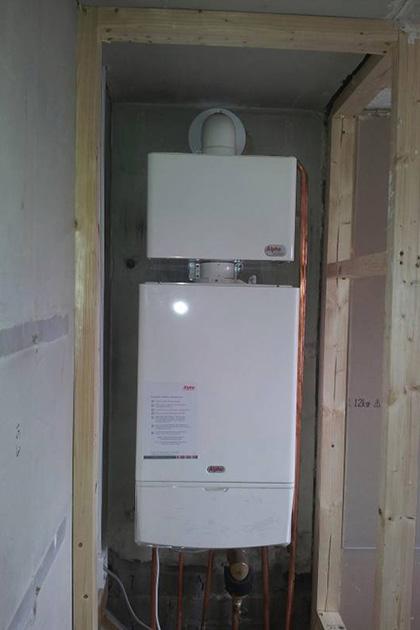
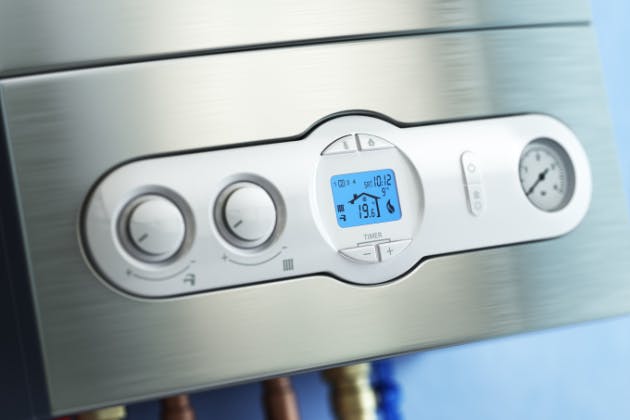
Boiler pressure is measured on the gauge at the front of your boiler. Most modern systems have a recommended “cold” range when the heating is off and the system is cool, and a slightly higher “hot” range when the heating has been on for a while.
The exact numbers vary by boiler brand and system type, so always check your manual or the label on the boiler casing. You are mainly looking for pressure that stays within the manufacturer’s marked range and does not keep creeping up or dropping away.
It is normal for pressure to rise a little as the water heats up and then fall back as it cools. What is not normal is having to top up the pressure again and again, or seeing the gauge hit the red zones.
Common reasons boiler pressure keeps dropping
Several issues can cause your boiler to lose pressure over time. Some are simple, such as a recently bled radiator, while others need a Gas Safe registered engineer to put right.
Small leaks on radiators or valves: Even tiny drips from radiator valves, pipe joints or towel rails can slowly let water out of the system, taking the pressure with it.
Pressure relief valve (PRV) discharge: The PRV is a safety device that releases water if pressure gets too high. If it has been triggered or is faulty, it can keep letting water out through the copper pipe that usually goes outside.
Expansion vessel issues: The expansion vessel helps the system cope with hot water expanding. If this loses charge or fails, pressure can swing up and down, and the PRV may start discharging.
Recently bled radiators: Bleeding radiators lets out trapped air but can also drop the system pressure. If it falls too far and is not topped back up correctly, the boiler will show low pressure.
Filling loop left open: If the filling loop tap or lever is not fully closed, the system may over-pressurise when hot and then dump water via the PRV, causing ongoing pressure loss.
Internal boiler leak: Components inside the boiler, such as the heat exchanger, can sometimes leak. These are usually not visible from outside and need professional attention.
Safe checks you can do at home
Before you do anything, always follow the safety instructions in your boiler manual. If you are in any doubt, switch the boiler off and contact a Gas Safe engineer.
1. Check the pressure gauge when the system is cold
Turn the heating off and let the boiler cool fully, ideally for at least an hour. Then check the pressure gauge on the front of the boiler.
Compare the reading with the recommended range in your manual or on any label next to the gauge. Make a note of the cold reading so you can tell your engineer if needed.
2. Look for visible leaks on radiators and valves
Walk around your home and check each radiator and any visible pipework. Look closely at valves, joints, and where pipes meet the floor or walls.
Signs of a leak can include damp patches, rust streaks, green or white crust around joints, or staining on skirting boards and ceilings below. If you find a leak, place a container or towel underneath and contact an engineer; do not try to dismantle fittings yourself.
3. Check outside for PRV discharge
Find the pressure relief valve outlet pipe, usually a copper pipe that exits an outside wall near the boiler. It normally points down the wall.
Look for signs that water has recently been coming out, such as wet ground, a drip, staining, or limescale on the wall or pipe. Ongoing discharge here is a clear sign an engineer needs to investigate.
4. Notice how pressure behaves when the heating is on
With the heating running, keep an eye on the gauge. It is expected to rise a little compared to the cold reading, but it should remain within the marked safe range.
If the pressure climbs very high when hot and then drops very low once the system cools, there may be a problem with the expansion vessel or PRV. These are engineer-only jobs and should not be adjusted by homeowners.
What only an engineer should do
Some tasks should always be left to a qualified Gas Safe engineer for safety and to protect your boiler warranty. This includes opening the boiler casing, replacing parts, or adjusting internal pressure settings.
Jobs such as recharging or replacing an expansion vessel, changing a faulty PRV, fixing internal leaks and checking for combustion or flue issues all need specialist training and tools. If your boiler manual tells you to contact an engineer for a specific fault code, follow that advice.
When to stop topping up and call a Gas Safe engineer
Occasional top-ups after bleeding radiators can be normal. Constantly needing to add water is not and can damage your boiler over time.
You have to top up the pressure more than once every few months, or it drops again within days.
You can see water discharging from the outside PRV pipe or there are obvious damp patches around the boiler.
Error codes or warning lights keep returning even after a reset.
The pressure swings from very low when cold to very high when hot.
If any of these apply, stop topping up, note what you have observed and book a boiler repair with a Gas Safe engineer.
What to tell your engineer
Giving clear information helps your engineer diagnose the problem faster and may reduce disruption. Before they visit, jot down a few notes.
Include the make and model of your boiler, the cold and hot pressure readings you have seen, and how often you need to top up. Mention any error codes, unusual noises, visible leaks, or PRV discharge, along with when the problem tends to occur, such as only when the heating first comes on in the morning.
Keeping boiler pressure stable in future
Regular maintenance is one of the best ways to look after your heating system. An annual boiler service helps pick up early signs of issues with the expansion vessel, PRV and internal seals before they turn into bigger faults.
It also helps to bleed radiators correctly, follow the manufacturer’s guidance when topping up with the filling loop and avoid over-pressurising the system. If you notice minor changes in pressure, having them checked early can often prevent breakdowns later.
Need help with a boiler that will not hold pressure?
If your boiler pressure keeps dropping and you are not sure what is causing it, it is safer to get it checked properly. A Gas Safe registered engineer can test the system, check for leaks and make any repairs needed to keep your home warm and safe.
For professional help, you can book a boiler repair or arrange regular boiler servicing with Ab plumbing and maintenance. To talk through the problem and arrange a visit in your area, call Ab plumbing and maintenance on 01204888255 or book online via our boiler repairs page.