If a radiator is not heating up properly, it is usually a sign of a fairly specific issue rather than your whole heating failing. With a few simple checks, you can often work out what is going on and, in some cases, fix it yourself safely.
Quick radiator symptom checker
Before you reach for the tools, take a minute to notice exactly how the radiator is behaving. Different symptoms point to different causes.
Top cold, bottom hot → Usually trapped air, often fixed by bleeding
Bottom cold, top hot → Often sludge build-up, may need professional cleaning
One side cold → Stuck TRV pin or balancing issue on that radiator
All radiators cold → Boiler, pump, controls or system fault
One radiator cold, others hot → Localised valve, air, or sludge problem
Always turn the heating off and let things cool a little before touching any valves or bleed points, and keep a cloth or container handy to catch any drips.
Top of radiator cold: trapped air and bleeding
If the top of your radiator stays cool while the bottom is hot, air has likely built up in the system and is stopping hot water from filling the radiator fully.
Safe checks for trapped air
First, make sure the boiler and pump are running and other radiators are warming as normal. If it is just this radiator with a cold top, air is a strong candidate.
To bleed safely:
Switch the heating off and allow the radiator to cool slightly.
Use a radiator key on the bleed valve at the top corner, holding a cloth underneath.
Turn the key slowly anti-clockwise until you hear hissing air.
Once water starts to flow steadily, tighten the valve again.
After bleeding a few radiators, check the boiler pressure gauge. If it has dropped below the recommended range, you may need to top it up following the boiler manual. If you are unsure, or the gauge keeps dropping, stop and call an engineer.
Bottom of radiator cold: sludge and circulation issues
A radiator that is hot at the top but cold or cool at the bottom usually has a build-up of sludge or rust deposits restricting the flow. This is common in older systems or where inhibitor has not been used regularly.
What you can safely check
Check that both valves (the control valve/TRV and the lockshield on the other side) are fully open. Sometimes a partially closed valve can mimic sludge symptoms.
If multiple radiators have cold bottoms, particularly on the ground floor or in older pipework in some Ramsbottom homes, that strongly suggests a system-wide build-up. At this point, further DIY is limited, and a professional powerflush or alternative cleaning method is usually needed.
One side cold: TRV pins and balancing problems
When one side of a radiator is hot and the other stays noticeably cooler, the issue is often on the valve side. A thermostatic radiator valve (TRV) can stick, or the radiator may not be properly balanced within the system.
Checking a stuck TRV pin
Turn the TRV to its highest setting and listen for water flow. If nothing changes after a few minutes and the pipe on that side stays cold, the pin inside might be stuck.
With the heating off and the radiator cool, you can remove the TRV head (usually a retaining ring or collar) to expose the small metal pin. Gently press it down a few times. It should move freely and spring back up. If it is jammed solid, do not force it, as you risk a leak. Call an engineer instead.
Balancing a radiator circuit
If upstairs radiators get very hot and ones further away are lukewarm, your system may need balancing. This involves adjusting the lockshield valves across several radiators so water is shared evenly.
You can attempt minor tweaks by slightly closing lockshields on radiators that heat very quickly and leaving problem radiators more open. However, full balancing is often a job for a heating engineer who can measure temperatures accurately and set each valve correctly.
All radiators cold or most not heating properly
If every radiator in the house is cold, or they are only just lukewarm, the issue is more likely with the boiler, pump, diverter valve, or your controls rather than an individual radiator.
Basic control and thermostat checks
First check that your programmer or smart controls are calling for heat, and that the room thermostat is turned up above the current room temperature. Make sure any individual TRVs are not set to their frost symbol.
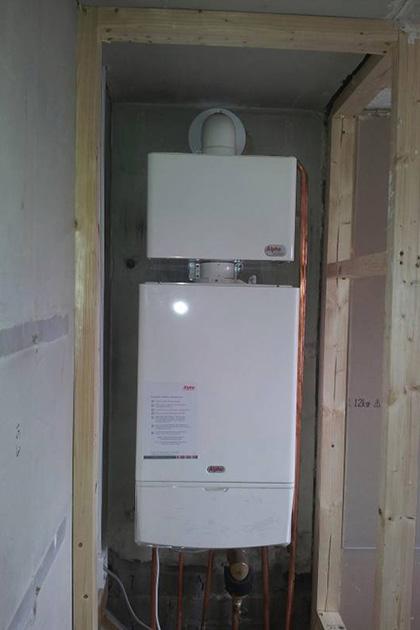
Confirm that the boiler has power, the display is on, and there are no fault codes or flashing warning lights. If you see an error code, refer to the boiler manual, but do not remove the case or attempt internal repairs.
Pump and diverter valve issues
If the boiler fires but radiators stay cold, your pump may not be circulating water properly. You might notice unusual noises or complete silence where the pump is located.
On combi and some system boilers, a diverter valve controls whether hot water goes to taps or radiators. A faulty diverter can leave you with good hot water at the taps but cold radiators. Both pump and diverter valve work are jobs for a qualified engineer only.
Single radiator cold: localised faults
When only one radiator will not heat up, start with the simple things. Check that both valves are fully open and that any TRV is set high enough.
If the pipework to that radiator remains cool while others are hot, try gently bleeding it as described earlier. If bleeding does not help, or dirty water comes out and the radiator stays stubbornly cold, sludge or a blocked pipe may be to blame.
When it points to a wider system problem
Repeated cold spots, noisy pipework, radiators heating in a strange order, or very slow warm-up across the whole house usually indicate a bigger system issue rather than a single faulty radiator.
A professional diagnosis typically involves checking boiler operation and pressures, testing the pump, assessing flow and return temperatures, and sometimes using thermal imaging or temperature probes on each radiator. From there, an engineer can recommend targeted repairs or full system cleaning.
When to stop and call an engineer
As a rule of thumb, stick to simple visual checks, bleeding radiators, and adjusting controls. Never remove boiler covers, disturb electrical connections, or dismantle pumps and valves yourself.
If you notice leaks, repeated pressure loss, burning smells, loud banging noises, or any signs of electrical issues, switch the system off and contact a professional straight away.
Get expert help with problem radiators
Cold radiators are not just annoying, they are often a warning that your heating system is working harder than it should. Tackling the cause early can improve comfort and reduce wasted energy.
If you have tried the safe checks above and still have radiators that are slow to heat, stay cold in places, or keep trapping air, Ab plumbing and maintenance can help. For professional radiator fault-finding, and boiler repairs, call Ab plumbing and maintenance on 01204888255 to book a visit.