Boiler flue regulations are designed to keep waste gases, including potentially dangerous carbon monoxide, safely away from your home. Although most flue problems are not visible from inside the property, a few simple visual checks can help you spot concerns before they become more serious.
How a boiler flue works
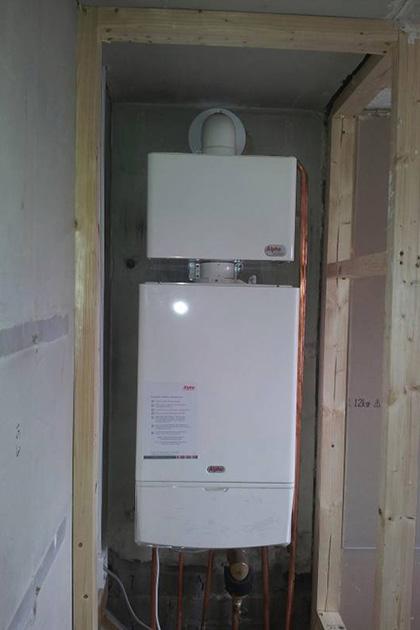
A boiler flue is the pipe that carries combustion gases from the appliance to the outside. It also allows the boiler to draw in air where the appliance design requires it. The flue must remain correctly connected, supported and positioned so gases cannot leak into rooms or collect near windows, doors or air vents.
The part that can be seen outside is called the terminal. This is the end of the flue where gases leave the property. Its position must follow appliance manufacturer instructions and relevant Building Regulations guidance, including suitable clearances from openings and boundaries.
Common boiler flue arrangements
A horizontal flue usually passes through an external wall and ends outside, often behind or close to the boiler. A vertical flue rises through the roof when a wall exit is not suitable or the boiler location requires it.
Some modern boilers produce a visible cloud of water vapour, particularly in cold weather. If this plume could cause a nuisance or reach a nearby window, walkway or neighbouring property, a plume management kit may redirect it to a safer position. These kits must be the correct type for the boiler and installed by a qualified professional.
Visual checks homeowners can make
You should never remove boiler panels or dismantle any part of the flue. However, you can look at the accessible external section from ground level without using tools. Check only when it is safe to do so, and do not climb ladders or lean out of windows.
Look for cracks, dents, corrosion or other visible damage to the flue and terminal.
Check whether the flue appears loose, unsupported or separated at a joint.
Make sure nothing has been built, stored or planted directly around the terminal.
Look for black or unusual staining around the terminal, wall or nearby surfaces.
Notice whether plume is entering a window, doorway or ventilation opening.
Clearances are particularly important around windows, doors and air vents. Exact distances depend on the boiler, flue arrangement and installation requirements, so do not rely on a general measurement found online. A Gas Safe registered engineer can confirm whether the terminal position is acceptable.
Common reasons flues fail inspections
A flue may fail an inspection because it is too close to an opening, has been damaged or has insecure joints. Problems can also occur where the terminal is obstructed, where combustion products leave heavy staining, or where plume is directed towards a place that people regularly use.
DIY alterations are another frequent concern. Moving a terminal, extending a pipe, fitting a cover or adding a plume kit without checking compatibility can affect combustion and flue performance. Older terraces in Bury, for example, may have legacy flue routes that need extra care when boilers or external walls have been altered over the years.
What to do if you suspect a problem
If you notice damage, a strong unusual smell, staining, a loose-looking joint or signs that fumes may be entering the property, stop using the boiler if you can do so safely. Ventilate the area, leave the property if you feel unwell, and seek urgent professional advice. If you suspect carbon monoxide, call the emergency gas service on 0800 111 999 and do not use the appliance until it has been checked.
Arrange an inspection with a Gas Safe registered engineer. They can assess the flue, appliance and ventilation properly, rather than relying on an external visual check alone.
What must not be done yourself
Homeowners must not disconnect, move, extend or repair a gas boiler flue. Do not drill into it, seal joints with household products, fit an unapproved terminal guard or cover the terminal to reduce noise or plume.
Gas work and flue alterations require the right training, equipment and manufacturer information. Attempting a repair yourself could create a carbon monoxide risk, affect the boiler warranty and leave the installation unsafe.
What happens during a professional visit
During a boiler service or repair, AB Plumbing and Maintenance checks the appliance and accessible flue route for signs of damage, poor connections and incorrect installation. The engineer can assess combustion safety, confirm that waste gases are being removed correctly and check that required ventilation is present and unobstructed.
If a concern is found, you should be told clearly what the issue is and what action is needed. A professional inspection provides reassurance while ensuring the boiler is not operated when its flue or combustion performance is unsafe.
Arrange a boiler flue inspection
Do not ignore a damaged, altered or poorly positioned flue. For advice or to arrange a boiler service or repair, contact AB Plumbing and Maintenance on 01204 888255.
You can also learn more about our Boiler Servicing and Boiler Repairs services. A prompt check can help identify flue and ventilation concerns before they put your household at risk.