Central heating inhibitor is a chemical added to sealed and open-vented heating systems to help protect internal components. Used correctly, it reduces corrosion, limits sludge formation and supports quieter, more efficient heating. Knowing when it is needed can help prevent cold radiators, boiler noise and costly system problems.
What central heating inhibitor does
Most heating systems contain a corrosion inhibitor, a treatment designed to slow the chemical reactions that cause metal components to rust. Some products also contain a biocide, which helps control bacteria and other organisms that can contribute to deposits, particularly in certain open-vented systems.
Without suitable protection, water inside radiators, pipes and heat exchangers can react with metal surfaces. This may create black sludge and debris, restrict circulation, contribute to pinhole leaks and leave radiators with cold spots. Debris can also collect in the boiler, causing noisy operation, reduced heat transfer and repeated breakdowns.
Helps reduce internal corrosion and black sludge
Supports better circulation through radiators and pipework
Helps protect pumps, valves and boiler heat exchangers
Can reduce the risk of noisy operation and recurring cold spots
Water quality and the age of a system both affect the level of risk. Greater Manchester homes with hard water or older pipework may be more prone to scale and sludge, so regular checks are particularly sensible.
When inhibitor is normally added
After a powerflush or chemical clean
A powerflush or chemical clean removes contaminated water, sludge and treatment chemicals from the system. Once the system has been refilled and checked for leaks, an engineer adds the correct dose of inhibitor so the clean pipework and components are protected again.
Simply draining and refilling a system does not always remove all deposits, and it also leaves the fresh water untreated unless inhibitor is added afterwards. The product must be suitable for the system and used at the recommended concentration.
During a new boiler installation
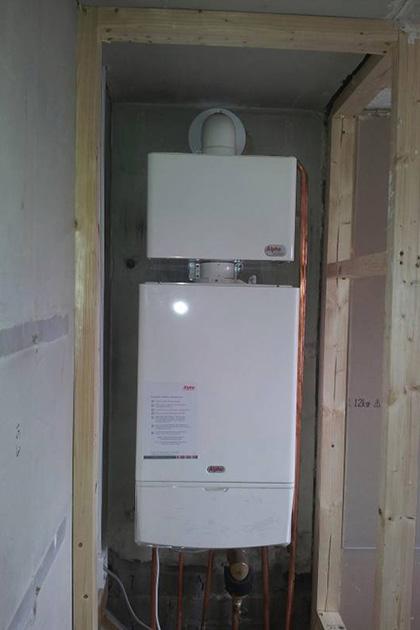
Inhibitor is commonly added when a new boiler is installed, especially if existing radiators and pipework remain in place. The boiler may be new, but old system water and debris can still damage its heat exchanger or pump if the circuit has not been cleaned and protected properly.
After major drain-down work
Major repairs, radiator replacements and other work that requires the system to be drained can reduce the inhibitor concentration. A small amount of water loss may not remove much treatment, but repeated draining or a full refill can dilute it significantly.
After any substantial drain-down, the engineer should check whether the system needs cleaning and then restore the inhibitor level. This is also a sensible time to check the pressure, bleed radiators and confirm that circulation is working correctly.
Signs the protection may be low
Homeowners cannot reliably judge inhibitor strength by appearance alone, but several warning signs suggest that the system needs attention. Water that looks very dark, dirty or heavily discoloured when a radiator is bled may indicate corrosion products and sludge, although bleeding should only be done when the heating is off and the radiator is cool.
Recurring cold spots, radiators that need frequent bleeding and unusual gurgling or kettling noises can also point to poor circulation or contamination. These symptoms do not always mean low inhibitor, so an engineer should assess the whole system rather than adding chemicals without investigation.
Frequent pressure top-ups are another concern. Each fresh refill introduces untreated water and gradually dilutes the inhibitor, while the underlying leak or pressure fault remains unresolved.
How engineers dose and test a system
An engineer will usually establish the system type, approximate water volume and recent maintenance history before selecting a suitable product. After cleaning or refilling, the inhibitor is added at the manufacturer’s recommended dose, either through a radiator, filling point or another appropriate connection.
Test kits generally use a sample of system water and a colour-change reaction, strip or measured chemical test to indicate whether the treatment is present at an acceptable level. Results vary between products, so the test method and target reading should follow the manufacturer’s instructions. If the reading is low, the engineer may add more inhibitor; if the water is heavily contaminated, a clean may be needed first.
Safe system care at home
There are useful checks homeowners can make without opening the boiler or handling heating chemicals. Keep an eye on the pressure gauge, follow the boiler manufacturer’s guidance and report any need for regular topping up instead of repeatedly treating it as normal.
Magnetic filters can capture iron-rich debris before it reaches the boiler, while correct radiator balancing helps distribute heat evenly. Regular boiler servicing also allows an engineer to assess the heat exchanger, pump, safety controls and water condition.
Do not add inhibitor blindly, remove boiler covers or drain the system unless you are competent and have the correct equipment. Chemical selection, system cleaning, dosing and testing are best handled by a qualified heating professional, particularly where there are leaks, persistent pressure loss or an older open-vented system.
Arrange a heating system health check
Good water treatment is one part of keeping central heating reliable. If your radiators have recurring cold spots, the boiler is noisy, the water looks dirty or the system needs frequent top-ups, contact AB Plumbing and Maintenance on 01204888255 to arrange a system health check or boiler service.
If your heating system is reaching the end of its useful life, you can also learn more about central heating installation and suitable upgrade options. A professional assessment can identify the right next step, whether that means testing the inhibitor, cleaning the system or planning a replacement.