Choosing between a combi boiler and a system boiler can feel confusing, especially when every brochure promises great performance and savings. The right choice really depends on how your household uses hot water, how many bathrooms you have, and the space and pipework already in your home.
How combi and system boilers work
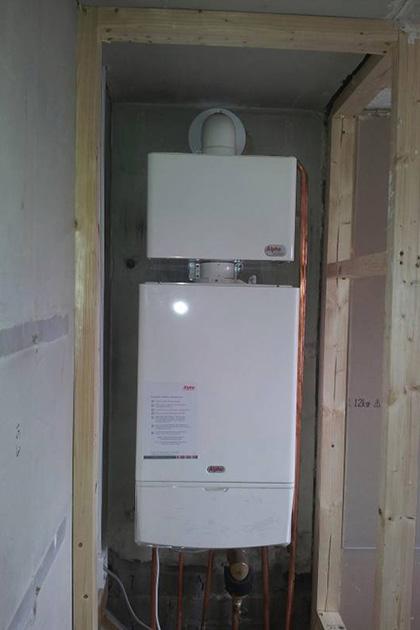
A combi boiler heats water directly from the mains when a tap or shower is turned on. There is no separate hot water cylinder, so you only heat what you use. This helps save space and can reduce wasted energy.
A system boiler works with a separate hot water cylinder, usually in an airing cupboard or loft space. The boiler heats water and stores it in the cylinder, ready for use. This stored hot water setup can cope better with several outlets being used at once.
Combi boiler: No cylinder, heats water on demand, compact design.
System boiler: Uses a cylinder, stores hot water, better for multiple bathrooms.
Both types: Can run efficient radiators and modern heating controls.
In many Greater Manchester homes, you see a mix of older Victorian terraces with limited storage space and newer estate properties with airing cupboards already in place. That housing mix alone can push the decision towards one option or the other.
Hot water and multiple bathrooms
Combi boilers are very convenient for smaller homes with one bathroom. They give continuous hot water, as long as only one or two outlets are used at the same time. If someone runs a tap while another person showers, the flow or temperature can drop.
System boilers are usually better suited to homes with two or more bathrooms. Because hot water is stored in a cylinder, several showers can often run together without a big loss in performance, provided the cylinder is sized correctly.
If you are planning an extra bathroom or an en-suite in future, it is worth thinking ahead now. Upsizing the hot water setup later can be more disruptive than getting it right during your boiler replacement.
Water pressure and flow considerations
Combi boilers rely on your mains water pressure and flow rate. If your cold tap pressure is poor, a combi will not magically improve it. In some cases, a low mains flow can make a combi frustrating to live with.
System boilers can work well in homes where the mains cannot supply high flow to multiple outlets at once. With the right cylinder and, in some cases, a pump, you can achieve strong, reliable showers even when more than one bathroom is in use.
Before deciding, it is wise to have the incoming water pressure and flow tested. This simple check often points clearly towards either a combi or system setup.
Space, cylinders and controls
Where a system boiler cylinder can go
A system boiler needs space for a hot water cylinder and its associated pipework. Typical locations include an airing cupboard, hall cupboard or a suitable loft area with boarding and good access. The cylinder position affects how easily pipes can run to your bathrooms.
Combi boilers are a good match for flats and smaller terraces where storage is limited. Losing the hot water cylinder can free up useful cupboard space for everyday storage.
Heating controls and compatibility
Both combi and system boilers work well with modern thermostats and smart controls, provided they are set up correctly. In many cases, existing room thermostats and programmers can be reused or upgraded during the boiler change.
With system boilers, you normally have separate control over heating and hot water timings. With combis, hot water is on demand, so the controls focus mainly on room temperatures and schedules.
Typical property matches
For flats, small maisonettes and modest 2-bed terraces, a combi boiler is often the most practical choice. The space saving and simple hot water delivery suit smaller properties with one bathroom.
For 3-bed semis, it depends on layout and how the home is used. A combi can work in a one-bathroom family home, but a system boiler with cylinder is usually more comfortable if there are two showers or plans to add another bathroom.
Larger homes, especially those with three or more bathrooms, tend to be better served by a system boiler and cylinder. This setup spreads the load, so morning showers and evening baths do not leave anyone with tepid water.
Questions to ask yourself before deciding
Thinking through your daily routine will make the choice between combi and system much clearer. Ask yourself:
How many people regularly shower or bathe in the home, and at what times of day?
Do I expect to add an en-suite, loft conversion or extra bathroom in the next few years?
Is there space for a hot water cylinder, and would I be happy to use it for that purpose?
Am I currently happy with my water pressure and shower performance?
Do I value airing cupboard space for storage, or could I use that area differently?
Your answers help guide whether instant hot water with no cylinder, or stored hot water with better multi-bathroom performance, suits you best.
What a good installer checks during a boiler survey
A proper home survey is essential before committing to a combi or system boiler. A good installer will look far beyond the label on the boiler casing and assess how the whole system works together.
They will check radiator sizing and condition to see if they are suitable for the new boiler. Existing pipework will be inspected to confirm it can handle the required flow rates and is laid out sensibly for the chosen system.
The gas supply will be checked to ensure it is correctly sized and capable of supplying the boiler at the required gas rate. They will also look at flue position and potential routes, making sure it meets safety regulations and venting requirements.
Condensate pipe routes will be planned so that waste water from a modern condensing boiler is carried away safely and protected from freezing. A good installer will also recommend a magnetic filter and system inhibitor to help keep the system clean and protect your new boiler over time.
Common mistakes when choosing a boiler type
One of the biggest mistakes is choosing purely on boiler output size or quoted kilowatts. A large combi will not automatically solve issues with poor mains pressure or multiple showers used at once.
Another common error is ignoring shower demand. Power showers, rainfall heads and multiple en-suites all place big demands on the hot water system. If these are overlooked, the result can be weak, disappointing showers soon after a new boiler is fitted.
Homeowners also often overlook the practicalities of cylinder location. Poorly placed cylinders can lead to long pipe runs, wasted heat and slow hot water delivery to taps at the far end of the house.
Get tailored advice for your home
There is no one-size-fits-all answer to the combi vs system boiler question. The best choice for your home depends on layout, water pressure, family size and how you expect to use your bathrooms in future.
If you would like a clear, honest assessment of what will work best in your home, book a boiler replacement assessment with AB Plumbing and Maintenance. Call 01204 888255 to arrange a survey, and get practical, expert guidance on the right boiler setup for your property.