If your central heating will not turn on, but your hot water still works, it can be frustrating and worrying. Before you assume the worst, there are several simple checks you can safely carry out that often solve the issue or at least help you give clear information to an engineer.
Safety guidance before you start
Always put safety first with any heating fault. You should never remove the boiler casing or attempt to work on gas components yourself. For gas appliances, only a Gas Safe registered engineer is legally allowed to service or repair them.
If you ever smell gas, see scorch marks, or feel unwell when the boiler runs, turn the appliance off, ventilate the room, and contact the gas emergency number immediately. Do not attempt to restart the boiler until it has been checked.
Step-by-step checklist when the heating will not come on
Work through these checks in order. Note any changes you make, as this will help if you need to call an engineer later.
Step 1: Check programmer or timer settings
Start at your heating programmer or timer. Make sure the power is on and that the display is not blank. If it is battery powered, replace the batteries and recheck the time and programmes.
Confirm that the central heating channel is set to "On" or "Timed" and not "Off". If you have separate buttons for heating and hot water, both must be correctly set. Try using the "Advance" or "Override" button to call for heat immediately.
Is the current time correct on the programmer?
Is the heating channel set to be on at the time you want heat?
Does the heating light or icon appear when you request heat?
Step 2: Check room thermostat batteries and setpoint
Many modern room thermostats are battery powered. If the display is faint, frozen, or blank, fit new batteries, then reset the temperature you want. A flat thermostat battery is a very common reason for heating not coming on.
Turn the thermostat up well above the current room temperature, for example to 24–25°C, and listen for a click or relay sound. This indicates the thermostat is calling for heat. Make sure the thermostat is not next to a radiator, in direct sunlight, or close to a draught, as this can mislead it.
Step 3: Confirm the boiler mode and settings
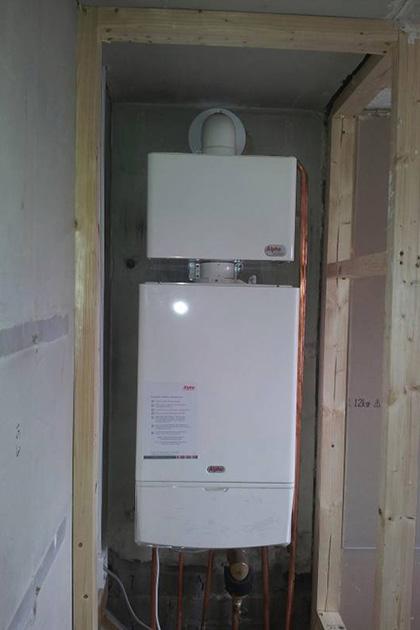
Go to the boiler and check that it has power and the display is on. Many combination boilers have separate settings for heating and hot water, such as a radiator symbol and a tap symbol.
Make sure the heating mode is enabled, not just the hot water. If the boiler has a simple mechanical dial, confirm it is not set to hot water only. If you have turned the boiler off recently for summer, ensure it is now fully back on and not in standby.
Step 4: Look at the boiler pressure gauge
On a typical domestic system, the pressure gauge should usually sit around 1.0–1.5 bar when the system is cold. If it has dropped much below 1.0 bar, the boiler may refuse to fire for heating.
Check your boiler manual for the correct operating range and topping-up instructions. Many homeowners can safely top up pressure using the filling loop, but only if you are confident and follow the instructions closely. If pressure keeps dropping, you will need an engineer to trace the leak.
Step 5: Check radiator valves and TRVs
Inspect the radiators in the rooms that feel cold. Ensure the main radiator valves are fully open, then check the thermostatic radiator valves (TRVs). If the TRV head is turned to the lowest setting or set to frost mode, that radiator will not heat properly.
Turn TRVs up to a higher setting, wait 15–20 minutes, and feel if the pipes and radiators begin to warm. If some radiators heat but others remain stone cold despite open valves, it could point to air in the system, a stuck TRV, or a balancing issue.
Step 6: Consider thermostat location and draughts
If your heating seems very hit and miss, think about where the main room thermostat is installed. If it is in a very warm hallway, next to a radiator, or in direct sun, it may think the whole house is warmer than it is.
Similarly, if it sits in a cold, draughty area, your heating may run longer than needed. While you should not move the thermostat yourself unless you are competent and it is safe to do so, it is worth noting this for discussion with your engineer.
What different outcomes suggest
As you work through the checklist, pay attention to how the boiler behaves. Different responses can indicate different fault areas.
No boiler response at all
If the boiler display is off, no lights are on, and it makes no sound when heating is requested, check the fused spur or main switch that supplies it. Make sure it is switched on and the fuse has not blown.
If power is present but the boiler stays completely dead, this is a job for a professional. Do not remove any covers or attempt electrical tests yourself.
Boiler fires but no or little heat to radiators
If the boiler appears to run when heating is requested but radiators stay cold, it could indicate an issue with the pump, motorised valve, or circulation. Check again that the radiator valves are open and that the boiler pressure is correct.
You may hear the boiler cycling on and off quickly, or pipes near the boiler getting hot while radiators stay cool. Note these details for your engineer, as they can be very useful for diagnosis.
Heating works upstairs only or downstairs only
When one floor heats properly and the other does not, common causes include stuck or failed motorised valves, air trapped in certain parts of the system, or a balancing issue with the radiators.
You can safely bleed radiators using a key if you are comfortable doing so, catching any water with a cloth. If the problem persists after bleeding and checks, an engineer will likely need to inspect valves and circulation.
Intermittent heating
If the heating comes on sometimes but not others, despite correct settings, suspect issues such as a failing room thermostat, loose wiring at controls, or an intermittent boiler fault. Battery-powered thermostats are often the first place to look.
Make a note of when the problem occurs: time of day, weather conditions, and whether it affects all rooms or just some. Patterns like these are very helpful for fault finding.
Common fault indicators and what to note
Most modern boilers display simple warning lights or fault codes. You do not need to understand them fully, but writing them down before resetting the boiler can save time later.
Exact fault code shown, including letters and numbers
Any flashing lights or symbols on the boiler or controls
System pressure reading at the time of the fault
Which functions fail: heating only, hot water only, or both
If your boiler has a reset function, only use it as described in the manual. If a fault code returns repeatedly after reset, stop trying and call a professional. Repeated resets can mask a serious fault.
When to call an engineer
If you have checked programmer settings, thermostat batteries, boiler mode, pressure, and radiator valves and the heating still will not behave, it is time to call a qualified engineer. Do not attempt to remove boiler covers or work on gas or internal components yourself.
Gather your notes before you ring: what you have already tried, any fault codes, whether hot water is affected, and which rooms are cold. This helps the engineer prepare and may reduce the time needed on site.
Professional help for diagnosis and repair
Central heating problems can range from simple control issues to more complex faults with pumps, valves, or the boiler itself. A calm, methodical checklist often identifies quick fixes, but if you are still without reliable heating, professional support is the safest route.
For friendly, expert diagnosis and repair, contact AB Plumbing and Maintenance on 01204 888255 for expert plumbing or boiler repairs. Whether your heating will not start at all, only some radiators heat up, or the boiler keeps showing fault codes, we can inspect your system, explain the options clearly, and get your home warm again as quickly and safely as possible.