A qualified plumber knows the rules that apply to plumbing in UK homes and works to them, so the job is safe, legal and done properly the first time. That matters more than most people think. A badly fitted pipe or valve can do more than leak. It can let dirty water back into your drinking supply, scald someone, or leave you with paperwork problems when you come to sell.
This post explains what "qualified" means in practice, the water and building rules that cover plumbing work in England, where gas work fits in, and how to check a plumber before you book. You can do a few simple checks yourself, but anything that involves gas, hot water cylinders or new pipework is a job for a trained person.
What "qualified" means for a plumber
There's no single licence for general plumbing in the UK, so anyone can call themselves a plumber. A qualified plumber has trained in the trade, usually through an NVQ or an apprenticeship, and keeps up with the regulations that apply to the work they do.
Some jobs also need a specific registration. Gas work needs Gas Safe registration by law. Fitting an unvented hot water cylinder needs a separate qualification. Electrical work in a bathroom needs a registered electrician. A good plumber knows which jobs they're qualified for and which ones they're not.
The water rules every plumber should follow
In England and Wales, plumbing connected to the mains is covered by the Water Supply (Water Fittings) Regulations 1999. They exist to stop water being wasted, misused or contaminated, and they apply to the pipes, taps, cisterns and appliances in your home.
The biggest risk they guard against is backflow, which is when water flows the wrong way out of an appliance or hose and back into the drinking water supply. A washing machine, an outside tap or a bidet fitted without the right valve can let that happen.
Some jobs must be reported to your water company before work starts. In the North West, United Utilities lists jobs such as:
- fitting a bath that holds more than 230 litres
- fitting a bidet with an upward spray or a flexible hose
- fitting a pump or booster that draws more than 12 litres a minute
- installing an automatic garden watering system
- laying water pipes outside at less than 750mm or more than 1,350mm deep
A plumber who is an approved contractor under a scheme such as WaterSafe doesn't need to notify in advance for this work. Instead, they give you a certificate when the job is finished to confirm it meets the regulations.
Building Regulations that cover plumbing work
Plumbing work also falls under the Building Regulations, which set the minimum standards for building work in England. The parts that matter most for plumbing are:
- Part G, which covers sanitation, hot water safety and water efficiency. It includes the rules for unvented hot water cylinders, which store hot water at mains pressure. These must only be fitted by someone competent to do it, because the safety valves that stop the cylinder overheating need to be fitted and piped correctly.
- Part H, which covers drainage and waste pipes, including the fall of a pipe and how it connects to the drains.
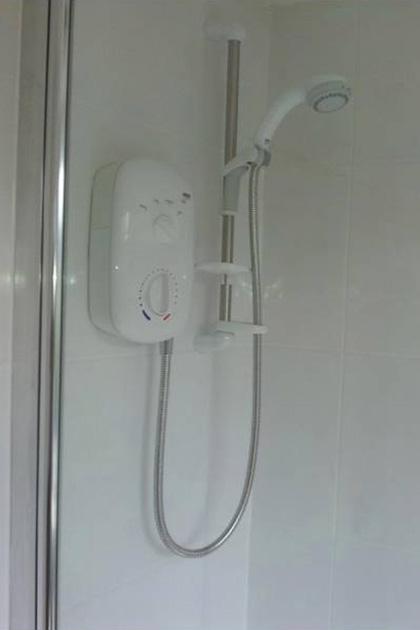
- Part P, which covers electrical safety. Wiring a new electric shower or a new circuit in a bathroom is notifiable electrical work, so it needs a registered electrician or a building control application.
A qualified plumber knows when a job needs building control involved and makes sure the right certificate follows the work.
Gas work is a different matter
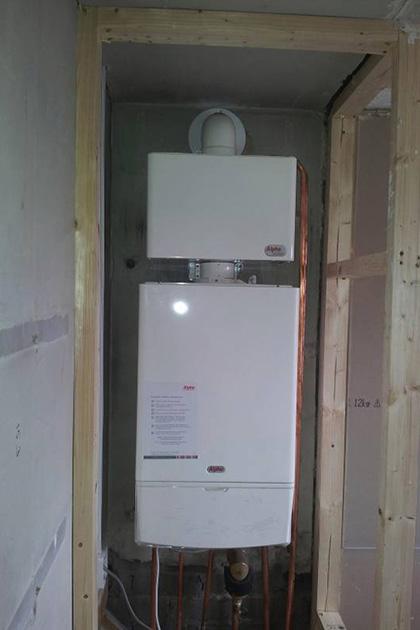
Plumbers and heating engineers often do both kinds of work, but gas is covered by its own law. Under the Gas Safety (Installation and Use) Regulations 1998, anyone who works on a gas boiler, cooker, fire or gas pipework in your home must be on the Gas Safe Register.
Every registered engineer carries a Gas Safe ID card with their photo, registration number and the types of gas work they're qualified for. Ask to see it, and check it covers the job you need, such as boilers or cookers. If someone without registration works on your gas, the risks include gas leaks, fires and carbon monoxide poisoning.
If your boiler needs attention, our boiler servicing is carried out by Gas Safe registered engineers.
What can go wrong when the work isn't done properly
Most plumbing problems from poor work don't show up straight away. Common ones include:
- slow leaks inside walls or under floors that rot timber and bring down ceilings
- contamination of your drinking water through missing backflow protection
- scalding from hot water that isn't controlled to a safe temperature
- waste pipes laid without enough fall, which block again and again
- no certificate for notifiable work, which can hold up a house sale
Your home insurance may also refuse a claim if damage comes from work that didn't meet the regulations.
How to check a plumber before you book
A few simple checks will tell you a lot:
- Ask what training and registrations they hold, and check any registration on the scheme's own website.
- For gas work, ask to see their Gas Safe ID card.
- Ask whether they have public liability insurance.
- Ask whether the job needs notifying to the water company or building control, and who will do it.
- Read recent reviews from people nearby.
- Ask for a written estimate before the work starts.
It also helps to know where your stopcock is, usually under the kitchen sink, so you can turn the water off yourself if a pipe leaks before help arrives.
How we work
AB Plumbing and Maintenance is Gas Safe registered, a member of the Bury Registered Tradesman Scheme run by Bury Council Trading Standards, and carries public liability insurance. We look at the job first, talk you through your options and give you an estimate before any work begins, so you know what's being done and why.
If you need a leak fixed, a new tap or toilet fitted, or pipework altered in your home, book a visit through our plumbing service. We'll make sure the work meets the regulations and leaves you with the right paperwork.